Access to justice is a fundamental pillar of any fair and functioning society. Yet, countless individuals face obstacles that prevent them from fully exercising their legal rights. The Legal Aid Society has built a framework to ensure justice without barriers, providing legal support that transcends socioeconomic, cultural, and geographic limitations. By offering comprehensive assistance and innovative programs, the society ensures that everyone has the opportunity to navigate the legal system with confidence and clarity.
Barrier Free Legal Aid for All
Central to the mission of the Legal Aid Society is the provision of barrier free legal aid. This approach removes obstacles that often impede access to legal representation, such as financial constraints, language difficulties, and geographic isolation. By offering mobile legal clinics, online consultations, and multilingual support, the society brings legal assistance directly to underserved communities. This proactive approach ensures that legal help is not confined to those who can afford it but extended to all individuals in need.
Inclusive legal aid is also evident in specialized programs targeting vulnerable populations. Immigrants navigating complex documentation, survivors of domestic violence, and low-income families facing eviction receive tailored guidance and representation. Each service is designed to empower individuals to assert their rights and protect their interests while mitigating the systemic inequities that often impede access to justice.
Promoting Equal Justice Services
The Legal Aid Society is committed to equal justice services, ensuring that everyone, regardless of background or circumstance, can access competent legal support. From housing disputes and family law matters to employment claims and public benefits issues, the society’s programs cover a broad spectrum of legal needs. By focusing on equity and fairness, these services prevent disparities in representation and strengthen the integrity of the justice system.
Education and empowerment are essential components of these programs. Workshops, informational sessions, and one-on-one consultations equip individuals with knowledge of their legal rights and procedural steps. This educational aspect allows people to navigate complex legal situations more effectively and make informed decisions. By providing inclusive legal aid, the society ensures that knowledge itself becomes a tool for empowerment, enabling clients to participate actively in their own defense and advocacy.
Housing and Economic Security
Housing and economic stability are critical to the well-being of families and communities. Tenants facing eviction or unsafe living conditions benefit from barrier free legal aid, which includes advocacy, legal representation, and negotiation with landlords. Similarly, individuals confronting wage theft, unsafe working conditions, or unemployment challenges gain access to programs that safeguard their economic rights. These interventions exemplify equal justice services in action, offering tangible protections that directly impact quality of life.
By addressing these foundational issues, the Legal Aid Society not only resolves immediate crises but also prevents future legal conflicts. Clients gain confidence and knowledge, reinforcing the long-term effectiveness of inclusive legal aid programs.
Legal Aid for Vulnerable Populations
Certain populations face compounded barriers when seeking legal assistance. Immigrant families, the elderly, people with disabilities, and survivors of domestic abuse often encounter challenges that go beyond the legal process itself. The Legal Aid Society provides specialized guidance to these groups, ensuring that each person receives tailored support that respects their circumstances. This commitment reflects the organization’s dedication to justice without barriers, ensuring that vulnerable populations are neither overlooked nor underserved.
Youth programs also play a vital role in fostering long-term empowerment. Civic education, mock hearings, and legal literacy workshops provide adolescents with early exposure to the principles of law and justice. By nurturing awareness and advocacy skills, the society cultivates a generation capable of protecting their rights and contributing to a fairer society, amplifying the impact of barrier free legal aid for years to come.
Community Outreach and Engagement
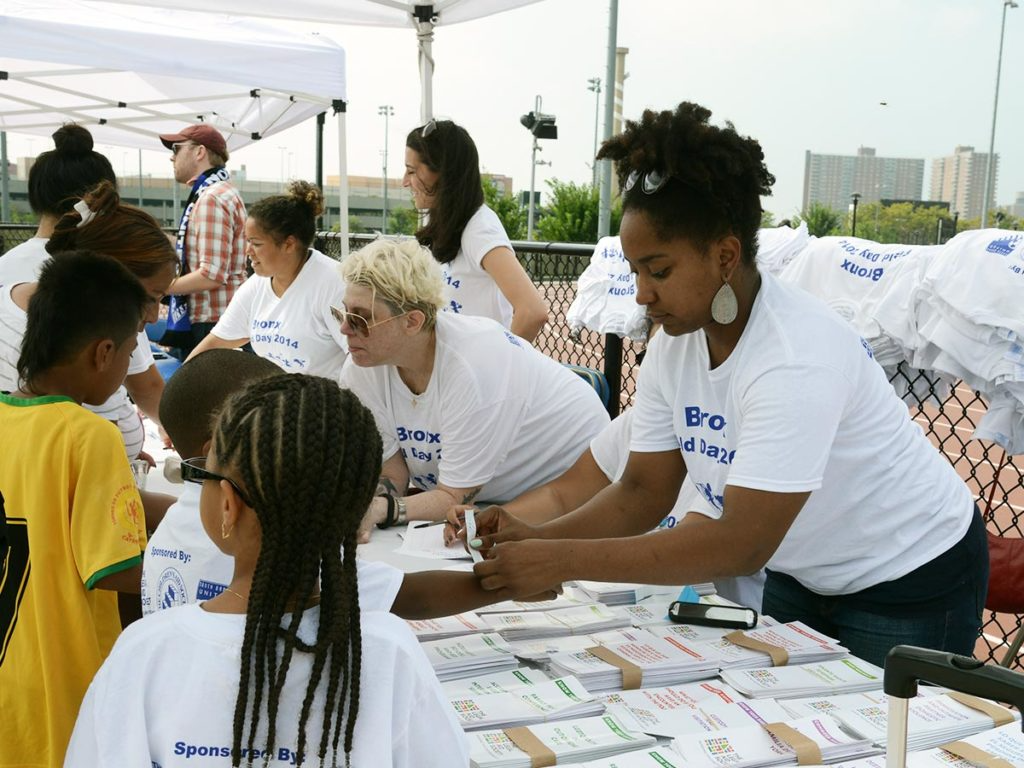
The society extends its reach through robust community outreach initiatives. Partnerships with schools, nonprofits, and local organizations amplify the impact of inclusive legal aid. Workshops and seminars empower communities to identify potential legal issues, access resources, and advocate collectively. This approach not only resolves individual cases but also strengthens community resilience, promoting a culture of fairness and equity.
Technology plays a key role in expanding access. Online consultations, digital resources, and virtual workshops make equal justice services available to individuals who might otherwise face transportation, mobility, or geographic limitations. By embracing innovation, the Legal Aid Society ensures that legal aid adapts to the evolving needs of society.
Long-Term Societal Impact
The effects of these programs extend far beyond immediate legal outcomes. By providing justice without barriers, the society fosters societal trust, reinforces the rule of law, and reduces disparities in legal access. Individuals gain confidence and knowledge, while communities benefit from increased awareness and advocacy capacity. The cumulative impact of barrier free legal aid is a more equitable, informed, and resilient society.
The Legal Aid Society exemplifies the transformative power of accessible legal support. Through inclusive legal aid, strategic outreach, and robust educational initiatives, it ensures that equal justice services are available to all, regardless of circumstance. By removing obstacles and providing comprehensive legal assistance, the society guarantees justice without barriers, making a lasting impact on individuals, families, and communities alike.
About the Author