What to Know About Claims Under the Public Vessels Act
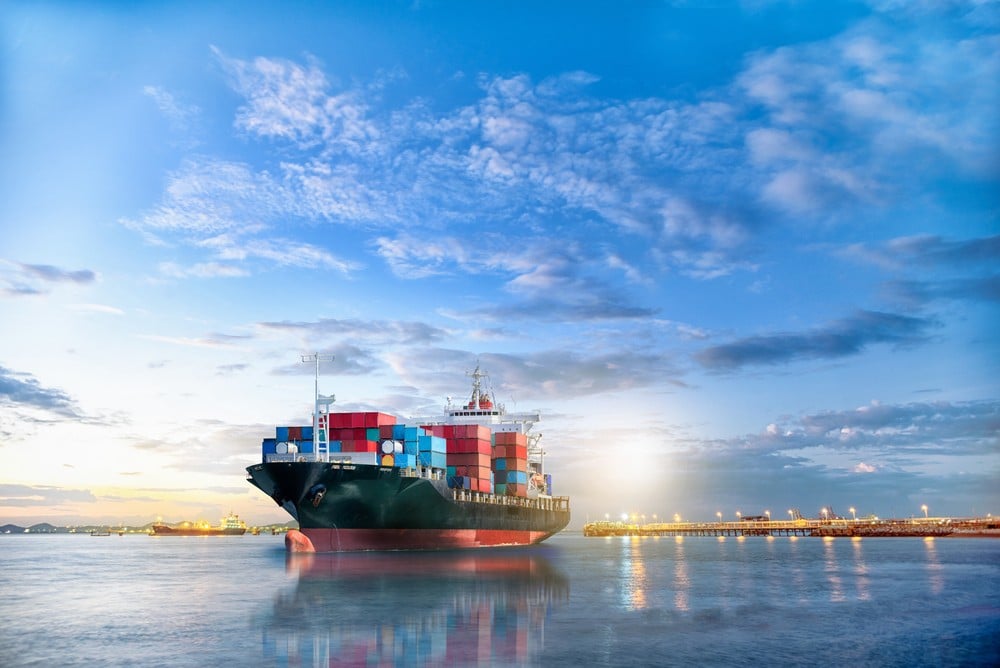
Working on or near a government-owned vessel might present distinct legal safeguards and challenges. Maritime workers may sustain injuries as a result of faulty equipment, hazardous working conditions, or insufficient maintenance. When a vessel is owned or controlled by the United States government, the legal process for seeking compensation may differ from that of a conventional personal injury claim.
Understanding the Public Vessels Act attorney function can assist injured marine workers in determining their legal alternatives following an accident.
What Is the Public Vessels Act?
A piece of federal legislation known as the Public Vessels Act (PVA) permits some claims concerning public vessels against the United States. Government vessels, in contrast to privately owned ships, are typically shielded by sovereign immunity, which means that an aggrieved party cannot automatically file a regular case against the government.
For eligible claims involving public boats, the PVA offers a legal route. It can be applied to some maritime-related injuries or property damage, as well as circumstances involving government-operated ships.
Determining if the PVA applies is a crucial first step because federal maritime laws may involve particular requirements and procedures.
Who May Have a Claim?
A wide range of people, including maritime workers, may come into situations covered by the Act. People who work on government ships, marine contractors, cargo workers, or anybody else who has qualifying injuries or losses may be involved in claims, depending on the specifics.
However, eligibility depends on a variety of factors, including the vessel in question, the person’s connection to the vessel, the location of the incident, and the events preceding the injury. As a result, an injured worker should not presume that a particular maritime law will apply to their situation.
Common Situations Behind Maritime Claims
Public vessel accidents can occur for a variety of causes. While some can be caused by hazardous working circumstances, others might be the result of equipment or operational issues.
Possible circumstances could be:
- Unsafe or slick walking surfaces
- Insufficient safety precautions
- Vessel operations that are unsafe
- Poor upkeep
- Mishaps can occur when loading or unloading.
- Collisions or other occurrences involving vessels
- Which federal marine laws and remedies apply can depend on the circumstances surrounding an injury.
Why Legal Guidance Matters
Compared to typical damage cases, claims involving government vessels can be more complex. A claim may be impacted by federal procedures, marine regulations, timelines, and documentation requirements.
A Public Vessels Act lawyer can examine the accident’s circumstances, determine which laws might apply, and outline the legal possibilities. Medical documents, accident reports, job data, witness testimony, and vessel paperwork are examples of evidence that an attorney may assist in obtaining.
An wounded person can also benefit from early legal advice by learning about crucial deadlines. Timely action is especially crucial because missing a statutory deadline may preclude a lawsuit from proceeding.
Document the Accident and Injury
Recording the events following a maritime mishap can be beneficial. An wounded worker should seek the necessary medical care and report the occurrence through the proper channels if it is medically feasible.
Maintaining copies of event reports, medical records, photos, letters, and other pertinent papers can help determine what transpired and how the injury affected the person.
The names of possible witnesses should also be included, together with details on the incident’s location, equipment, working conditions, and vessel.
Understanding Your Options
Complicated issues about culpability, compensation, and applicable maritime law may arise from an injury involving a government vessel. Not all marine accidents will be covered by the Public Vessels Act, which offers a particular legal framework for some claims against the United States.
Speaking with an experienced maritime attorney can help determine whether the Act may apply to your situation if you were hurt in an incident involving a government-owned or controlled vessel. Based on the relevant federal laws and timelines, a legal expert can assess the incident’s facts and outline the next steps.
It can be simpler to protect crucial evidence and comprehend your legal rights before pressing deadlines arise if you move quickly.
Conclusion
Complicated federal maritime rules and particular requirements may apply to injuries involving government-owned vessels. Depending on the vessel, the accident’s circumstances, and the type of injury, the Public Vessels Act may offer a legal route for some claims. A knowledgeable marine lawyer can assist you in understanding your rights, any applicable deadlines, and your alternatives for pursuing compensation if you were injured while working on or near a public vessel.