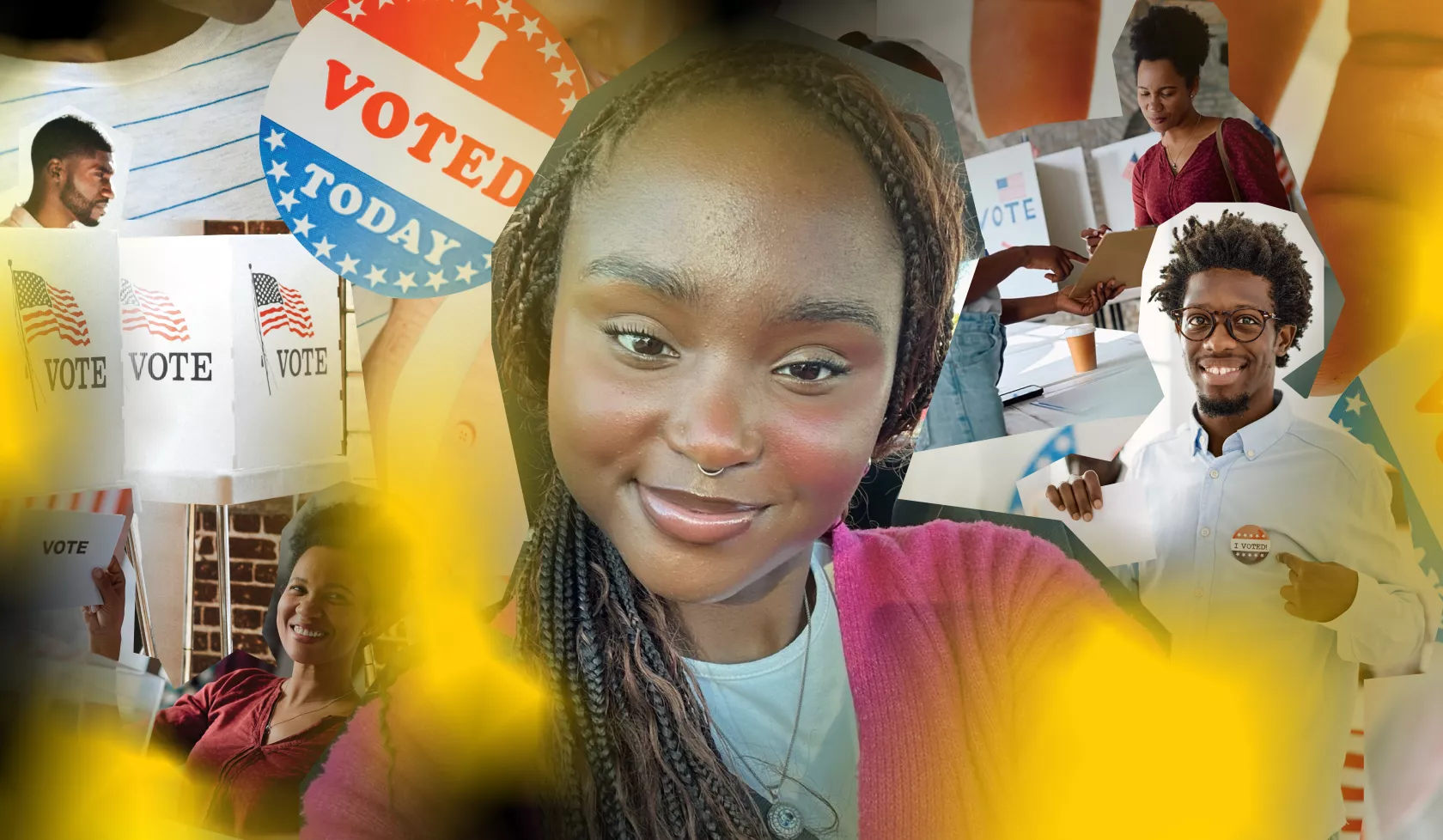
Why Youth Matter in Politics Today
Across the globe, youth politics today is becoming a driving force in shaping national and international agendas. No longer content with standing on the sidelines, young people are stepping forward with bold ideas and fearless determination. They challenge outdated norms, demand justice, and push for inclusivity in systems that have long been dominated by older generations. Their energy injects vitality into political landscapes, making their participation both necessary and transformative.

Why Young Voices Matter
In every era of progress, young voices matter because they represent the conscience of the future. Youth bring fresh perspectives unclouded by decades of political compromise. They ask hard questions, propose daring solutions, and often act with moral clarity that reignites public debates. Whether advocating for climate action, digital rights, or mental health awareness, young voices remind societies of the urgency to act now. Their involvement ensures that governance is not only responsive to present needs but also sustainable for generations to come.
The Influence of Youth in Politics
The rise of politics youth influence is unmistakable. From student-led protests to digital campaigns that go viral in hours, youth are redefining how political power is exercised. Social media, in particular, has become their stage—a platform where they mobilize support, spread awareness, and hold leaders accountable. Their influence reaches far beyond their numbers, as their creativity and persistence often shift conversations in ways that formal politics cannot ignore.
Future Shaped by Young Leaders
The future youth politics is not a distant concept; it is unfolding in real time. Youth-led organizations are already challenging traditional parties, creating alternative platforms that prioritize inclusivity, transparency, and innovation. They are not waiting for permission to lead—they are building new models of participation that blur the lines between activism and governance. The future is being shaped by their commitment to justice, equity, and progress, ensuring politics evolves with their vision.
The Global Nature of Youth Movements
Movements led by youth often transcend borders. The climate strikes initiated by teenagers inspired solidarity in dozens of countries, proving that youth politics today is not confined to local issues but interconnected across continents. Young leaders are forging global coalitions that advocate for human rights, sustainability, and equality. This interconnected activism reflects the reality of a world where global challenges demand global solutions, and youth are stepping up as the architects of those solutions.
Breaking the Stereotypes
For too long, young people were dismissed as apathetic or disengaged. Yet, the truth is that young voices matter because they often bring urgency and authenticity to discussions that otherwise stagnate. Instead of apathy, many youths are channeling frustration into activism, turning disillusionment into a catalyst for change. They reject the stereotype of being “too inexperienced” and instead prove that lived experiences—whether in schools, workplaces, or online—are powerful tools in shaping politics.
From Streets to Parliaments
The influence of politics youth influence is visible in both grassroots activism and formal institutions. Many young activists have transitioned into political office, carrying with them the ideals that fueled their advocacy. They bridge the gap between the streets and the chambers of power, ensuring that the priorities of their peers do not fade in translation. Their presence in parliaments and councils challenges entrenched hierarchies, proving that leadership is not reserved for the old but earned through commitment and vision.
The Challenges Ahead
While the future youth politics shines with promise, challenges remain. Institutional barriers, lack of resources, and skepticism from older generations can hinder progress. However, these obstacles only highlight the importance of continued advocacy. By pushing for reforms such as lower voting ages, increased representation, and greater access to policymaking, youth demonstrate their resilience. Every challenge becomes another reason to fight harder for their rightful place in shaping the world.
Technology as a Political Weapon
The digital realm has amplified youth politics today like never before. Hashtags, livestreams, and viral videos have replaced pamphlets and town halls as tools of mobilization. Youth wield these tools with finesse, crafting narratives that inspire millions. Yet, with opportunity comes responsibility—navigating misinformation and online polarization is part of their challenge. Even so, the ability of technology to magnify their message ensures that youth remain at the forefront of political discourse.
The role of young people in politics is no longer a matter of debate—it is a reality reshaping societies across the world. Young voices matter because they demand honesty, justice, and inclusivity in ways that cannot be ignored. Through politics youth influence, they are rewriting the rules of engagement, proving that politics belongs to everyone, not just the elite few. As the future youth politics unfolds, it carries with it the promise of a world guided by passion, courage, and vision. The future, after all, is theirs to shape, and the time for them to lead is now.